Monk fruit, also known as Luo Han Guo (Siraitia grosvenorii), is a small round fruit native to the mountainous regions of Southern China as well as Himalayan regions. Named after the Buddhist monks who first cultivated it over 800 years ago, this remarkable fruit has been used in traditional Chinese medicine for centuries.
What makes monk fruit extraordinary is its intense natural sweetness - up to 200 times sweeter than sugar - yet it contains zero calories and has no effect on blood sugar levels. This makes it the perfect sweetener for those seeking a healthier alternative without compromising on taste.
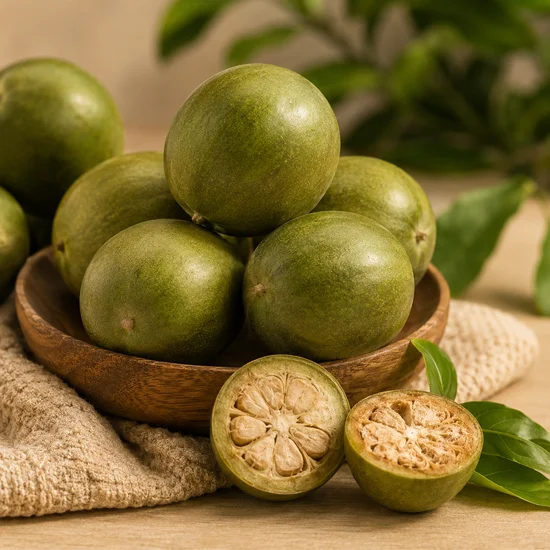
A journey through time and tradition
Monk fruit thrives in the pristine mountains of Guangxi Province, China, where the climate and soil conditions create the perfect environment for this precious fruit to grow naturally.
Buddhist monks in the Tang Dynasty were among the first to cultivate monk fruit, using it both as a medicinal remedy and a natural sweetener. The fruit was considered sacred and valued for its healing properties.
Monk fruit vines grow naturally without pesticides or chemical fertilizers. The fruit is hand-harvested once a year when it reaches perfect ripeness, ensuring the highest quality and sweetness.
How monk fruit delivers its incredible sweetness naturally
The exceptional sweetness of monk fruit comes from natural compounds called mogrosides. These unique antioxidants are found exclusively in monk fruit and are responsible for its intense sweetness without any calories.
Enjoy sweetness without the caloric burden of sugar
Doesn't raise blood sugar levels, safe for diabetics
Pure, clean sweetness unlike artificial sweeteners
Perfect for cooking and baking without losing sweetness
See how monk fruit compares to other sweeteners